
The Canberra winter wind cuts across the Parliament lawns, sharp enough to remind anyone that luck, like the weather, does not care about your plans. Inside the casino floor, the roulette wheel spins with a steady rhythm, indifferent to the arvo crowd gathering at the bar. As an operator, I watch the flow of chips more than the bets themselves, measuring pace and discipline over every spin. That same steady eye applies to understanding a betting progression like roulette paroli before you ever place a chip.
For a site that walks through the broader landscape of casino offerings, see about win spirit casino review for context on how operators present their tables. The paroli system is not a secret handshake, but it does reward players who understand its limits and its rhythm.
How the paroli progression actually unfolds
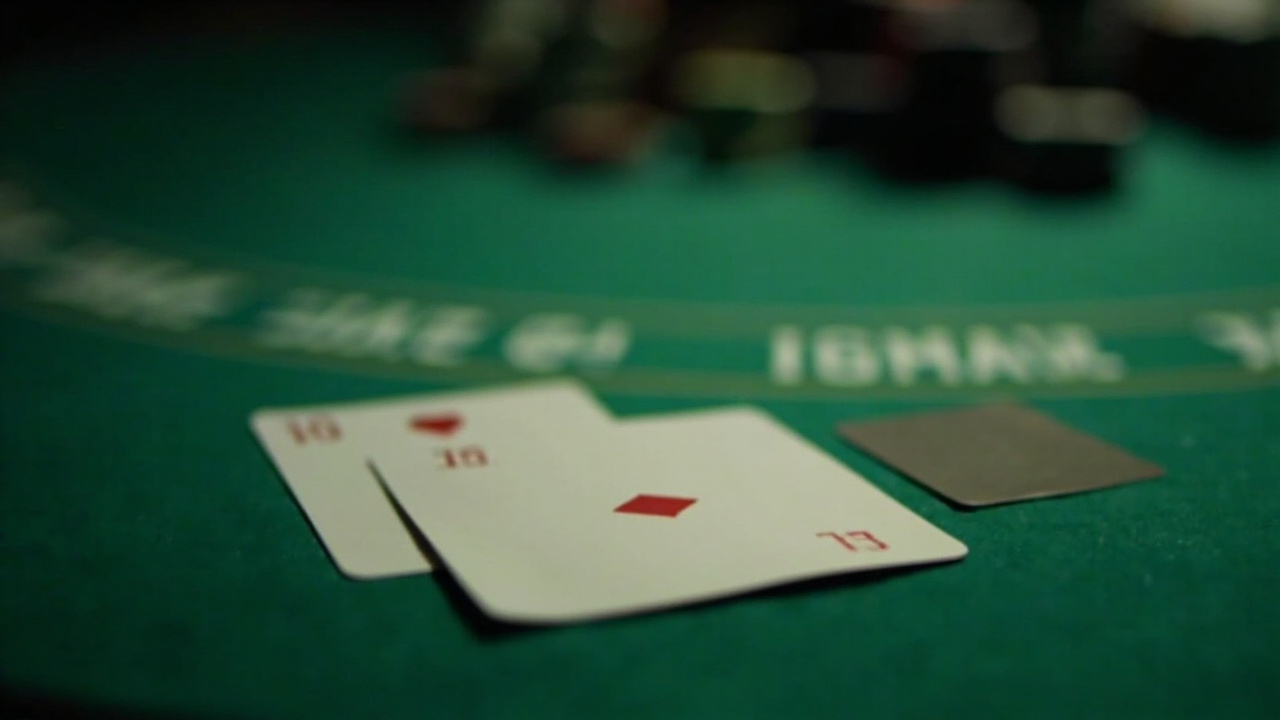
A player approaching roulette paroli is usually chasing a short run of wins rather than protecting a bankroll from a long losing streak. The method is straightforward: you start with a base stake, and after each winning spin you double the bet for the next round, typically capping the progression after three consecutive wins. On a loss, you return to the base stake and start again. The idea is to let winning streaks compound while keeping exposure low during ordinary play.
From the table side, the discipline matters more than the maths. A player who lets a three-win run run to a fourth or fifth bet is no longer playing paroli; they are gambling on momentum. The system works best when the cap is respected and the base stake is sized against a bankroll that can absorb the inevitable flat periods. It is a short-burst approach, not a session-long strategy, and that distinction shapes how it feels on the felt.
The operator view on pace and discipline
High-volume floors run on rhythm, and a progression that encourages rapid bet increases can disrupt the flow if players push too hard too fast. I have seen sessions where a disciplined paroli player exits cleanly after a capped run, while another chases the fourth win and gives back the profit in two spins. The difference is rarely the system itself; it is the willingness to stop when the sequence ends.
One practical comparison comes from Cooper Phillips, Sports Betting Analyst, Great Southern Betting Review, who notes that «progression systems look tidy on paper, but they still run into the same variance that catches unprepared players.» That caveat matters because paroli does not remove the house edge; it simply structures how you respond to short winning sequences. A player who treats the cap as a suggestion rather than a rule is not playing the system, they are overriding it.
Where paroli fits among table choices
Roulette paroli is often chosen by players who want a defined structure without committing to a large base stake for every spin. The appeal is the possibility of building a small profit during a hot run while limiting the downside on losses. It suits tables where the player is comfortable with a modest base unit and a clear exit point after a capped sequence.
For readers comparing how different operators present their table games and bonus mechanics, a look at Perth gambling forums can show how players discuss pacing and terms in practice. The paroli approach is not a substitute for understanding table limits, bet minimums, or the specific roulette variant on offer, but it does give a player a repeatable pattern to follow when the wheel is turning in their favour.
Compliance, access, and the realities of play
Any discussion of online table play has to sit inside the real boundaries that apply in Australia. The Interactive Gambling Act 2001 in practice shapes what operators can offer to Australian players, and that means access, verification, and geo-location are part of the experience rather than an afterthought. A player who tries to sidestep those controls is not finding a clever shortcut; they are running into terms of service that can close an account and freeze funds.
Oliver White, Gaming Technology Consultant, Australian Gaming Futures, puts it plainly: «Players sometimes assume a different connection changes the rules, but the compliance layer is still the same one the operator has to follow.» That point matters for roulette paroli just as much as for any other table bet, because the progression does not alter the legal and operational framework around the game. Players also tend to remember wins vividly and forget losses, a bias that casinos quietly benefit from, which is why a written cap and a clear stop point are worth more than memory alone.
Canberra-side practicalities and the checklist
Canberra players often weigh table play against the practicalities of travel, timing, and local options rather than chasing a distant venue. A weekend trip to a regional casino can feel very different from an evening at a local club, and the same discipline applies whether the wheel is down the road or accessed online within the rules that apply here. The Birdsville Races draw crowds to a remote outback town, which is a reminder that distance changes the experience long before it changes the odds.
For a measured view on local compliance and player expectations, the Canberra gaming standards discussion offers a useful reference point for how seriously access and responsibility are treated. With that in mind, here is a short checklist for playing roulette paroli with discipline:
- Set a base stake that still leaves room for a full session after a flat run.
- Cap the progression at three wins and return to the base stake on any loss.
- Decide the exit point before the first spin, not after a winning streak starts.
- Keep a written note of results so wins and losses are both visible.
- Respect verification and geo-location rules rather than looking for a workaround.
The wheel keeps turning regardless of the system on the table, and paroli is only as useful as the discipline behind it. For a player who wants a defined pattern, a clear cap, and a realistic view of variance, it can be a workable way to structure a short run of bets. For anyone expecting it to override the edge or guarantee a result, it is simply another way to place chips and wait for the ball to settle.