
If you’ve been around betting circles long enough, you’ll hear the same sensible warning: respect the maths before you chase the thrill. The craps casino house edge is one of the clearest examples of where a smart operator-investor mindset pays off, because the table layout quietly separates a favourable line from a slow bleed. Down here, with cost-of-living pressure tightening payday rhythms and weekend cash stretched thinner, picking the right proposition matters more than it used to. I’ve built and commercialised scalable platforms before, and the same discipline applies: measure the take, understand the variance, and don’t confuse a flashy sign-up with a durable offer.
Where the Edge Actually Sits on the Table
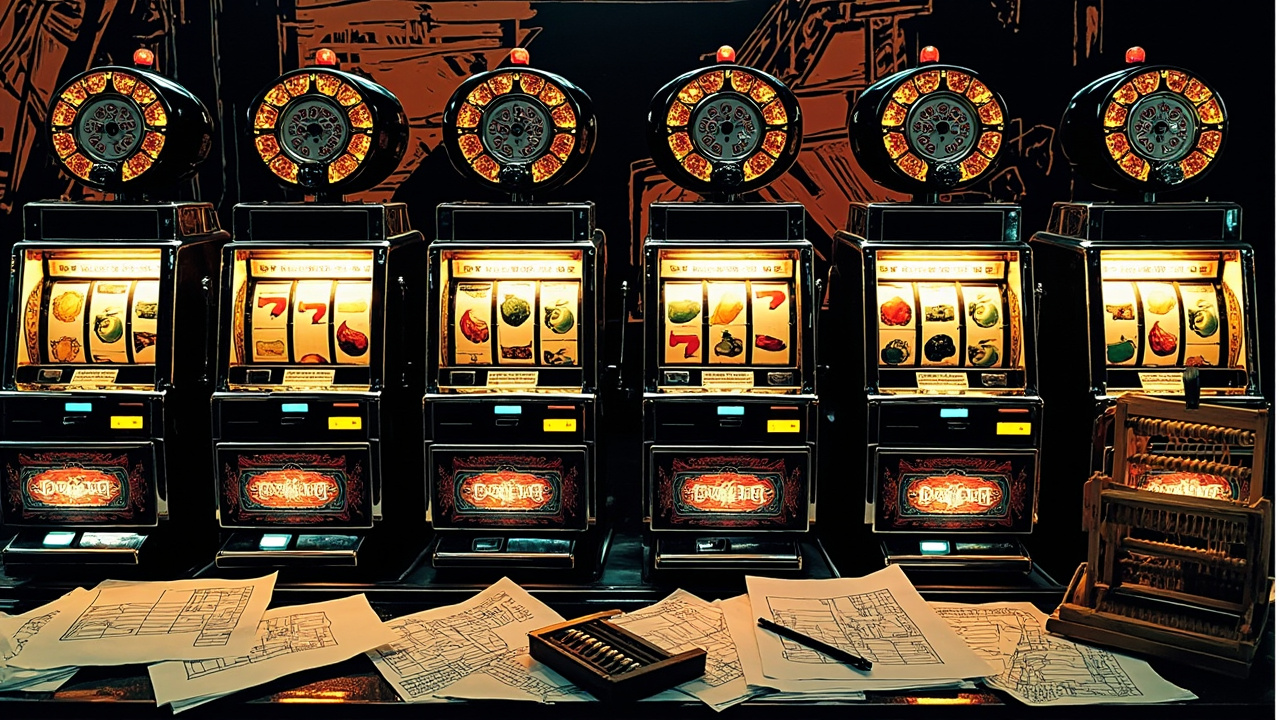
The layout looks busy, but the maths is straightforward once you strip it back. A pass line bet with full odds carries a razor-thin house advantage, while the proposition squares in the middle of the felt are where the vig climbs quickly. That’s the whole game right there: the casino makes its margin on the centre bets, and the smart money stays on the low-edge lines until the dice settle. I’ve sat in rooms where the floor manager could tell you the exact hold on every square metre of carpet, and the principle is identical to commercialising a new product – you don’t fund growth on the highest-cost channel when a cleaner path exists. The same thinking applies when you’re weighing a first deposit against a bonus that only unlocks on higher-edge wagers.
For Australians reading this at a kitchen table after a long shift, the practical takeaway is simple: keep your base bet on the pass or don’t pass lines, take the odds if the table allows it, and treat the centre squares as occasional entertainment rather than a strategy. It’s a quiet way to stretch a session without handing the house an early run. If you’re after a plain-English breakdown of how the numbers stack up across the common bets, the vegas hero guide lays out the line-by-line comparison without dressing it up.
Signup, Verification, and the First Deposit Reality
Getting in the door is usually the easy bit, but the first session is where a site’s real standards show up. Eligibility checks, identity verification, and a properly activated bonus all need to line up before you’re rolling real money, and a clunky flow here is a decent warning sign about how the operator treats its customers later. I’ve seen commercial partnerships stall because the onboarding was built for marketing optics instead of actual user friction, and the same lesson holds: if the first deposit and bonus activation feel like a maze, the rest of the product usually isn’t much better. A decent operator will make age and location checks clear, let you fund in a familiar currency, and spell out exactly what triggers the bonus without burying it in fine print. vegas hero
From a local angle, the bit that matters most is whether the first session fits a normal Aussie payday cycle rather than pushing you to top up on a thin week. Verification should be straightforward, the bonus should activate on a sensible first deposit, and the table limits should let you start small and learn the rhythm of the dice. If a platform makes you jump through hoops just to place a pass line bet, you’re better off walking on.
How the Edge Interacts With Bonuses and Limits
A bonus looks generous until you read the play-through and the table restrictions, which is where the craps casino house edge quietly does its work. Some offers only count certain bets toward the requirement, and that can nudge you toward higher-vig squares just to clear the terms – exactly the wrong move if you’re trying to keep the maths on your side. I’ve evaluated product launches where the incentive structure pulled users toward the most expensive action, and it’s the same commercial mistake: a short-term spike that burns out the customer base. The better setups let you play the low-edge lines, keep the odds visible, and don’t hide the limits behind a wall of conditions.
Benjamin Mitchell, Head of Live Casino, Outback Gaming Research, puts it plainly: “The edge doesn’t change because a bonus is attached – it just changes which bets you’re encouraged to make, and that’s where a lot of players get caught out.” That’s the kind of caveat worth keeping in mind when you’re comparing offers on a Tuesday arvo instead of reading the headline number. For a broader view on how local operators are structuring their tables and payment flows, the Renew Economy analysis covers the commercial side of the market without the usual spin.
FAQ
Which craps bet has the lowest house edge?
The pass line and don’t pass lines sit at the low end, especially once you add the free odds component that most tables allow. The centre proposition bets carry a much higher take, so the edge really depends on where you put your chips rather than the game itself.
Do bonuses change the actual house edge?
No – the underlying maths on each bet stays the same, but a bonus can steer you toward different wagers through play-through rules and table restrictions. That’s why reading the terms matters more than the headline offer.
What should an Australian player check before the first session?
Confirm eligibility and verification are clear, check that the first deposit and bonus activation are straightforward, and make sure the table limits let you start small. It’s also worth matching the session to your own payday rhythm so you’re not stretching a thin week. Reneweconomy